Hidden Risks Brought by Skipping Comprehensive Pre Delivery Inspection
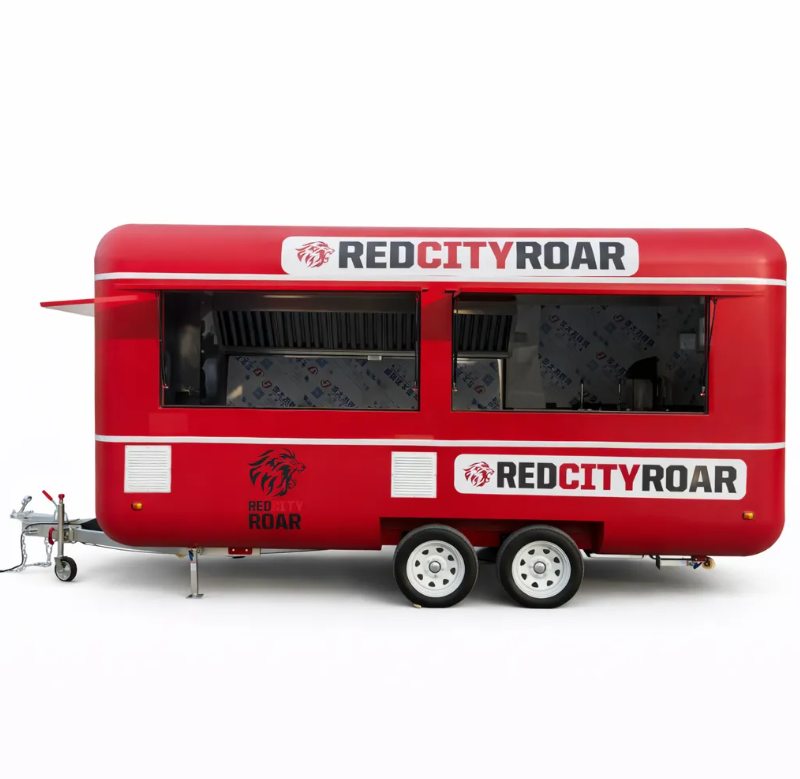
Running a mobile food trailer business blends low startup costs with flexible operation scenarios, yet many new entrepreneurs overlook factory pre delivery testing to cut waiting time and rush market launch. From years of supporting global food trailer operators and communicating with overseas distribution partners, skipping full inspection creates cascading financial losses that far outweigh short term time savings. A North American street food operator shared a tough real experience after purchasing a trailer without complete factory testing. The unit arrived with untested water pipeline sealing and unstable braking systems. Within two weeks of road operation, water leakage contaminated food storage areas triggering health department suspension, while braking failure led to minor towing collision and official road safety fines. The business stayed closed for more than three weeks for on site repairs and re inspection, losing peak weekend catering revenue and facing thousands of dollars in regulatory penalties. Mobile food service regulatory experts point out that minor structural electrical or hygiene defects undetected before shipment will amplify during daily towing and high frequency cooking work, turning small factory flaws into business shutdown risks. A complete set of standardized pre delivery tests eliminates these hidden hazards before trailers leave production facilities.
International Regulatory Standards Mandate Full Range Functional Verification
Every country and region enforces strict vehicle and food safety codes for mobile food units, and international certification bodies including NSF DOT CE and WVTA clearly require multi dimensional functional verification before market entry. NSF food equipment safety codes specify all food contact surfaces water circulation systems and fire suppression equipment must pass functional testing to avoid cross contamination risks. FMVSS road vehicle standards demand systematic inspection of lighting suspension braking and towing components to guarantee highway driving safety for cross regional travel. Import customs and local health bureaus across over 200 countries will reject trailer approval if key functional test records cannot be provided. Partial spot checks only cover limited items and cannot generate complete official QC documents required for inspection clearance. The 26 pre delivery test framework fully aligns with unified global regulatory demands, covering all items listed in mainstream international certification checklists. Trailers finished with full test reports simplify local licensing and health department sign off procedures significantly for business owners.
Separate Testing Modules Cover Road Safety and Long Term Towing Stability
Nearly one third of the full inspection items focus on roadworthiness and structural durability, targeting risks generated during long distance highway transportation and frequent towing movement. Key test modules include rain spray waterproofing load bearing floor capacity road stability towing hitch performance and anti corrosion structure inspection. During rain spray testing technicians simulate heavy rainfall to check door sealing under long hour outdoor exposure, preventing rainwater infiltration that damages electrical circuits and pollutes food zones. Load bearing tests apply standardized weight pressure to floor panels and support jacks to confirm structural strength for decades of daily heavy equipment placement. Road simulation tests detect abnormal frame sway uneven braking and suspension jitter under continuous driving conditions, fixing component looseness before delivery. Without these systematic road safety tests, trailers face suspension failure water leakage or brake malfunction within months of operation, forcing costly chassis overhauls and temporary business closure. Each stability test item locks in consistent towing performance matching the advertised 20 year service lifespan of professional food trailers.
Hygiene and Food Equipment Testing Block Prevents Food Safety Penalties
Food hygiene related testing items occupy critical weight within the full 26 test system, directly determining whether operators can pass local health department audits without delay. Inspection covers food grade stainless steel surface tightness fresh and grey water pipeline leak ventilation airflow efficiency integrated fire suppression operation and anti slip flooring integrity. All water circuit components undergo full cycle pressure testing to eliminate hidden pipe cracks that cause wastewater backflow and bacterial breeding inside cooking spaces. Ventilation tests verify smoke extraction efficiency under maximum cooking heat load, avoiding grease accumulation that triggers fire safety violations. Fire suppression systems activate in controlled factory environments to confirm automatic response speed and full coverage of cooking equipment zones. Third party catering safety auditors note trailers lacking these hygiene tests frequently fail official health inspections, resulting in forced business suspension product confiscation and substantial fines. Completing all food safety testing before shipment guarantees compliance with local food sanitation rules and eliminates costly post delivery modification work.
Electrical Mechanical and Ergonomic Tests Optimize Long Term Operating Efficiency
A complete pre delivery inspection also covers electrical wiring kitchen equipment workflow layout and human factor ergonomics, solving inconvenient operation problems that only appear after formal business launch. Electrical tests run full load cycles on 110V or 220V power circuits to check grounding insulation breaker stability and external power inlet safety, preventing short circuit equipment burnout during peak catering hours. All cooking refrigeration and heating appliances operate continuously during factory testing to calibrate temperature control accuracy and identify component malfunctions early. Ergonomic space assessment checks counter height window layout equipment placement and walking clearance to eliminate awkward workflow that slows down order processing during busy service periods. Wiring routing and gas pipeline layout inspections remove exposed loose fittings that create maintenance headaches for operators. Every small functional defect captured in these tests avoids repeated after sales troubleshooting and keeps daily catering operation smooth without unnecessary workflow delays.
Mature Factory Testing System Delivers Fully Compliant Trailers for Global Operators
Complete standardized pre delivery testing relies on large scale manufacturers with integrated research production and quality control systems, and Mingtai maintains a rigorous 26 item inspection process for every finished food trailer unit. As one of the world’s largest mobile food trailer manufacturers with a 70961 square meter intelligent workshop, Mingtai adopts Industry 4.0 modular production lines and dedicated QC teams to carry out each test item one by one before shipment. All finished units only pass export packaging after every inspection point achieves qualified results, with complete original test records attached alongside CE DOT NSF WVTA certification documents. The brand’s full testing system matches regulatory requirements for more than 200 countries and regions, cutting through complex import and local approval procedures for global catering entrepreneurs. Supported by over 30 years of collective engineering experience and mass production capacity up to 500 parallel units, Mingtai’s comprehensive pre delivery testing mechanism delivers road legal hygiene compliant trailers that reduce post purchase repair costs and support stable long term mobile food business development for all global clients.
Table of Contents
- Hidden Risks Brought by Skipping Comprehensive Pre Delivery Inspection
- International Regulatory Standards Mandate Full Range Functional Verification
- Separate Testing Modules Cover Road Safety and Long Term Towing Stability
- Hygiene and Food Equipment Testing Block Prevents Food Safety Penalties
- Electrical Mechanical and Ergonomic Tests Optimize Long Term Operating Efficiency
- Mature Factory Testing System Delivers Fully Compliant Trailers for Global Operators