Provozní problémy tradiční velkoobchodní distribuce potravin
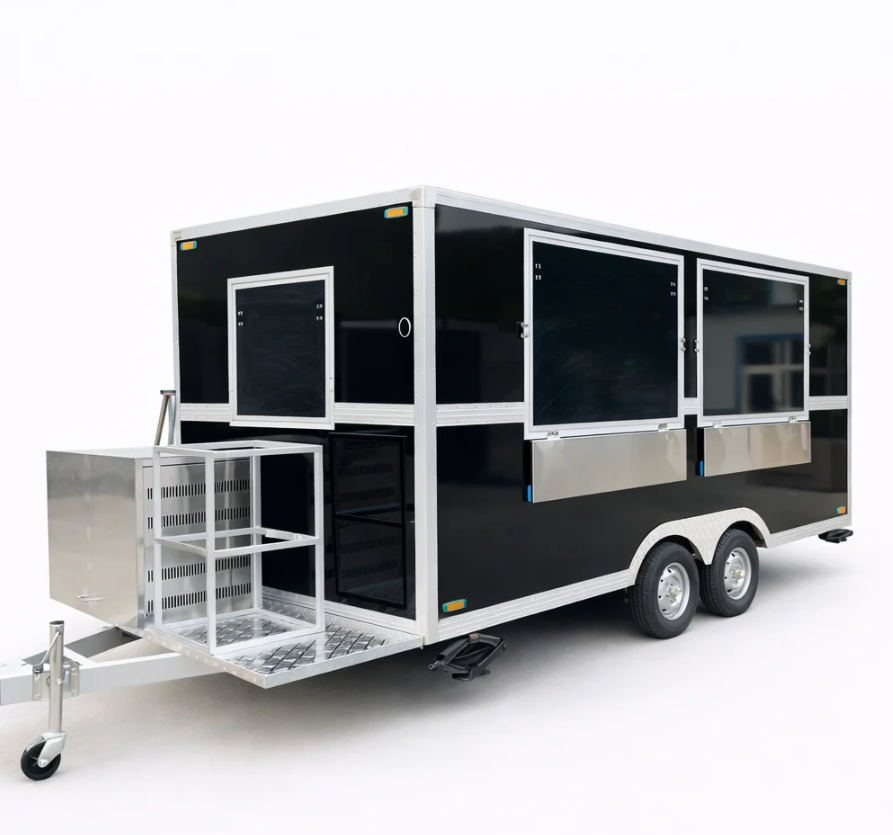
Potravinářští velkoobchodníci pravidelně zajišťují rozdrobené doručení na poslední míli pro malé maloobchodní klienty. Stálé centrální kuchyně spoléhají na pronajaté obchodní prostory a samostatné nákladní vozy. Výroba a distribuce představují oddělené pracovní postupy. Připravené potravinové položky procházejí několika kroky nakládky a vykládky, než dosáhnou maloobchodních bodů. Opakované přepravy zvyšují riziko odchylek teploty u potravin připravených ke konzumaci. Mobilní kuchyně ve formě potravinářského přívěsu umožňuje přípravu jídel na místě i krátkodosahovou distribuci v jednom jediném zařízení. Zkracuje tak mezikroky manipulace a podporuje dynamické nasazení směrem k rozptýleným lokalitám zákazníků. Tato integrovaná konfigurace neodstraňuje všechny výzvy distribuce; přístup na místo, dodávka komunálních služeb a místní předpisy stále stanovují pevné hranice reálného provozu.
Praktická pozorování z modernizace vozového parku regionálních potravinářských velkoobchodníků
Jeden středně velký regionální velkoobchodník potravin obsluhoval desítky samoobslužných obchodů a malých stánků se svačinami rozmístěných v předměstských oblastech. Původní pracovní postupy využívaly pevné centrální kuchyně spolu s běžnými nákladními vozy. Vařené dávky potravin se přesouvaly z kuchyně do skladovacích prostor vozidel a poté byly znovu vykládány v každém prodejním zařízení. Vícekrát opakované manipulační kroky způsobovaly nekonzistentní teplotní kontrolu a několik prodejních partnerů hlásilo občasné kazivost produktů během horkých letních měsíců. Velkoobchodník přidal několik mobilních kuchyňských přívěsů pro krátké trasy. Příprava jídel a částečné balení probíhaly přímo na palubě. Počet mezikroků při přepravě se tak snížil. Po nasazení operační protokoly zaznamenaly méně případů kazivosti u dodávek na krátké vzdálenosti. Tento reálný případ z oblasti velkoobchodu ilustruje, jak kombinované zařízení pro vaření a distribuci mění rizikové profily poslední míle pro rozptýlené prodejní sítě.
Porovnání pracovních postupů řešení velkoobchodního rozvozu potravin
Referenční informace vycházejí z hodnotících záznamů z oblasti logistiky potravinových služeb pro malé a střední velkoobchodní provozovatele. Následující tabulka porovnává klíčové praktické vlastnosti.
| Způsob rozvozu | Místo výroby | Mezilehlé manipulační kroky | Klíčová omezení v reálném provozu |
|---|---|---|---|
| Mobilní kuchyně | Integrovaná kuchyně na palubě vozidla | Minimální přemísťování mezi jednotkou a prodejním pultem | Závisí na přítomnosti vody a elektrické energie na místech zastávek |
| Centrální kuchyně plus dodávkové vozidlo s uzavřeným nákladním prostorem | Stacionární kuchyně v uzavřeném prostoru | Více cyklů naložení a vyložení | Vyšší riziko teplotního posunu během tras s více zastávkami |
| Satelitní pronajatá kuchyně plus nákladní vozidlo | Pronajatá dočasná obchodní kuchyně | Dvě nebo více přeprav materiálů | Další pravidelné náklady na pronájem v každém provozním cyklu |
Jak integrované uspořádání kuchyně a přívěsu zjednodušuje plnění velkoobchodních objednávek
Dobře navržené mobilní kuchyně ve formě potahových vozidel oddělují zóny pro vaření, dočasné chladné uchovávání a zóny pro výdej zboží uvnitř uzavřených prostor. Před odjezdem se načtou předzpracované suroviny. Částečné vaření, dávkování a balení probíhají buď během jízdy mezi jednotlivými zákaznickými stáními, nebo po jejich příjezdu. Tento model je vhodný pro velkoobchodníky, kteří přijímají mnoho malých objednávek rozptýlených po různých lokalitách. Velkoobchodní provozovatelé tak získávají flexibilitu přizpůsobit složení nabízeného sortimentu na základě aktuální zpětné vazby z řetězců maloobchodu. Technické vybavení vozidel nedosahuje maximálního výkonu velkých stacionárních centrálních kuchyní. Zaměřuje se spíše na decentralizované trasy krátkého dosahu než na úkoly vysoce objemové hromadné výroby.
Právní a infrastrukturní omezení ovlivňující nasazení mobilního velkoobchodu
Mobilní potravinářské jednotky čelí přísným místním předpisům veřejného zdraví, které upravují zpracování potravin přímo na palubě. Různé obecní správní úřady stanovují odlišné normy pro připojení k vodovodu, likvidaci odpadu, hygienickou údržbu povrchů a povolení k manipulaci s potravinami na místě. I vysoce kvalitní vybavení přívěsů nemůže fungovat normálně bez souladu s příslušnými předpisy. Dostupnost infrastruktury představuje další významnou proměnnou. Spolehlivý zdroj elektrické energie, připojení k pitné vodě a místa pro vypouštění odpadní vody jsou nezbytné na zastávkách. Mnoho obchodních pozemků v předměstích nemá předinstalované podporující utility, což vyžaduje dodatečnou dočasnou instalaci pokaždé, když přívěsy přijedou k plnění dodacích úkolů.
Realistické pokyny pro výběr velkoobchodníků posuzujících vybavení mobilních kuchyní
Několik kontrolních bodů pomáhá velkoobchodníkům vyhnout se běžným rizikům nesouladu během nákupu zařízení.
- Před definitivním stanovením specifikací zařízení zkontrolujte místní předpisy týkající se manipulace s potravinami.
- Mapovat polohy zastávek doručování a auditovat stávající podmínky přístupu k veřejným službám.
- Porovnat vnitřní uspořádání kuchyně se skutečným sortimentem velkoobchodních produktů a velikostmi dávek.
- Porovnat celkové provozní náklady včetně poplatků za povolení, prací na připojení k veřejným službám a pravidelné údržby jednotek.
Vyvážené hodnocení váží flexibilitu proti nákladům na infrastrukturu a dodržování předpisů místo zaměření výhradně na pořizovací cenu jednotek. Mingtai disponuje moderní výrobní kapacitou na výrobu mobilních komerčních jednotek v rozsáhlém měřítku. Jeho inženýrský tým čerpá z desetiletí trvalé odborné zkušenosti v odvětví a podporuje širokou nabídku modelů i projektově specifickou personalizaci pro globální partnery z velkoobchodního sektoru.
Obsah
- Provozní problémy tradiční velkoobchodní distribuce potravin
- Praktická pozorování z modernizace vozového parku regionálních potravinářských velkoobchodníků
- Porovnání pracovních postupů řešení velkoobchodního rozvozu potravin
- Jak integrované uspořádání kuchyně a přívěsu zjednodušuje plnění velkoobchodních objednávek
- Právní a infrastrukturní omezení ovlivňující nasazení mobilního velkoobchodu
- Realistické pokyny pro výběr velkoobchodníků posuzujících vybavení mobilních kuchyní