How to keep your food trailer consistently bright, stable, and efficient: Mingtai's ultimate maintenance checklist
Time : 2026-02-13
A sparkling exterior, a hygienic kitchen, and reliable equipment don’t happen by accident—they come from a repeatable maintenance routine tailored to the unique demands of mobile food service. Food trailers face constant exposure to weather, heavy use, and strict hygiene standards, making consistent upkeep non-negotiable for long-term success. This guide translates industry best practices into clear, actionable daily, weekly, and monthly checklists that your crew can follow from day one, ensuring your trailer stays safe, efficient, and customer-ready.
1) Exterior Care: Keep It Shiny and Protected
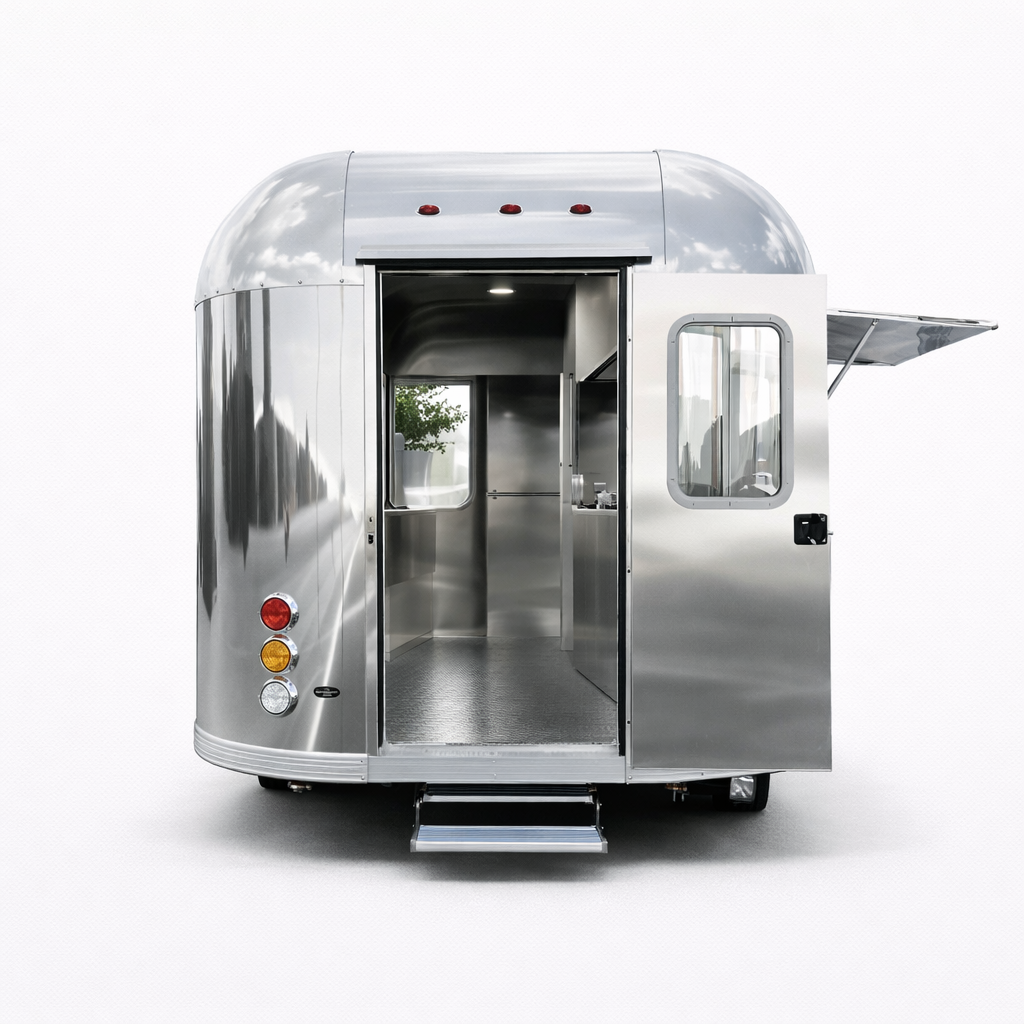
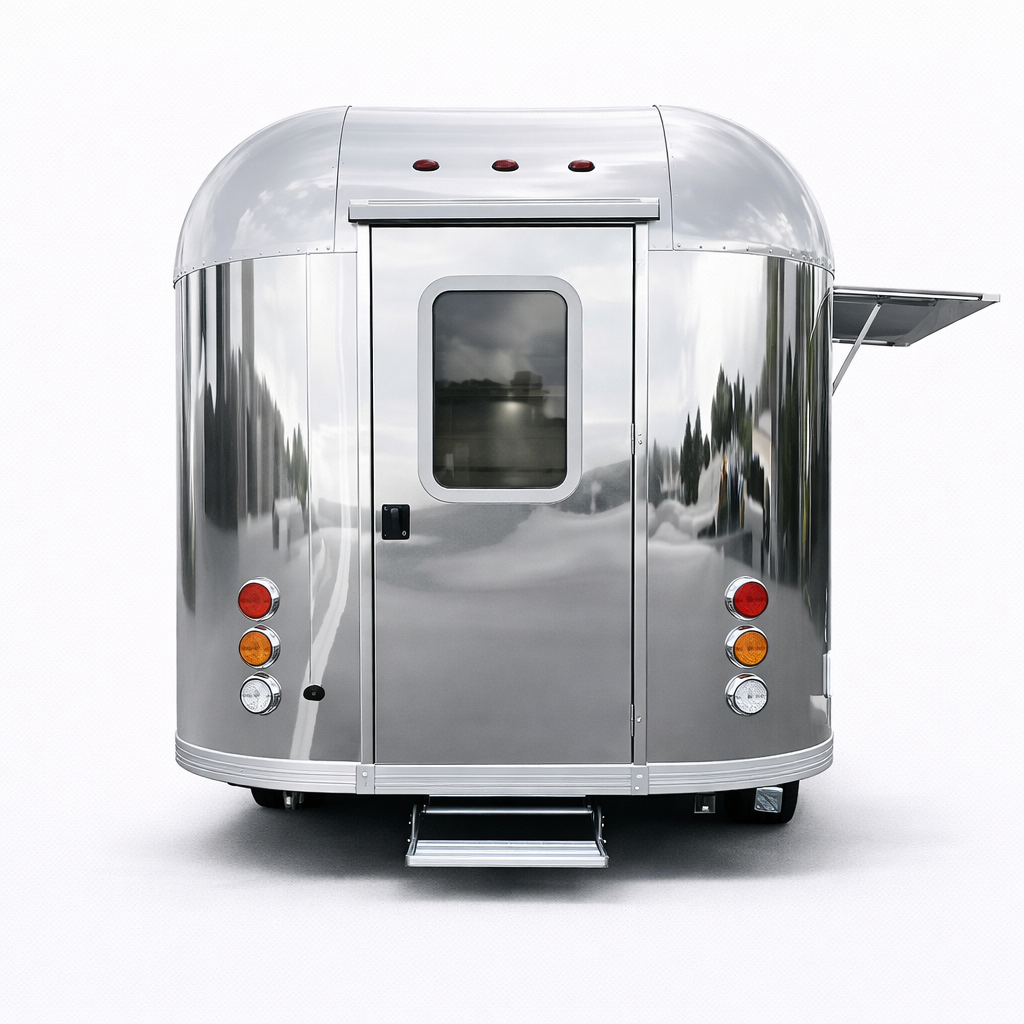
Your trailer’s exterior is more than just a brand showcase—it’s a barrier against the elements. Regular cleaning and protection prevent rust, fading, and damage that can compromise its structural integrity and curb appeal.
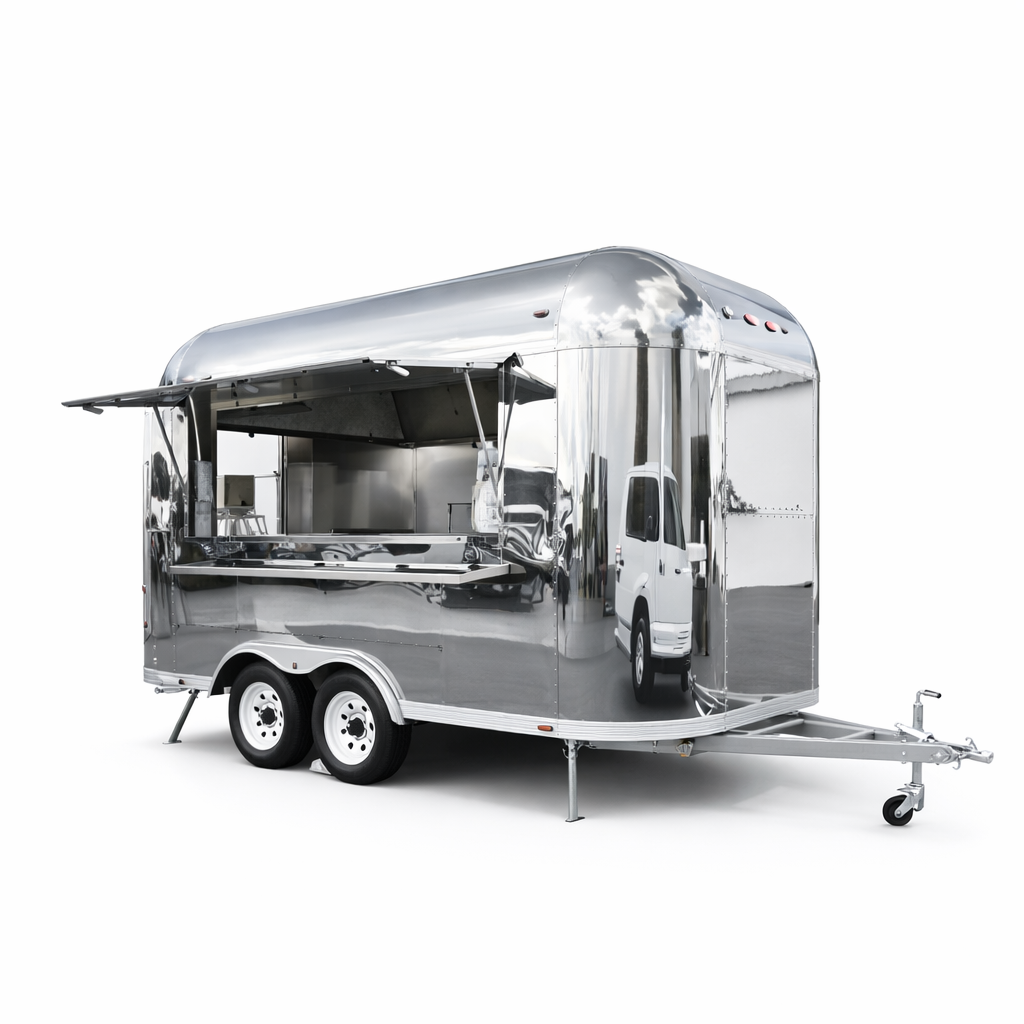
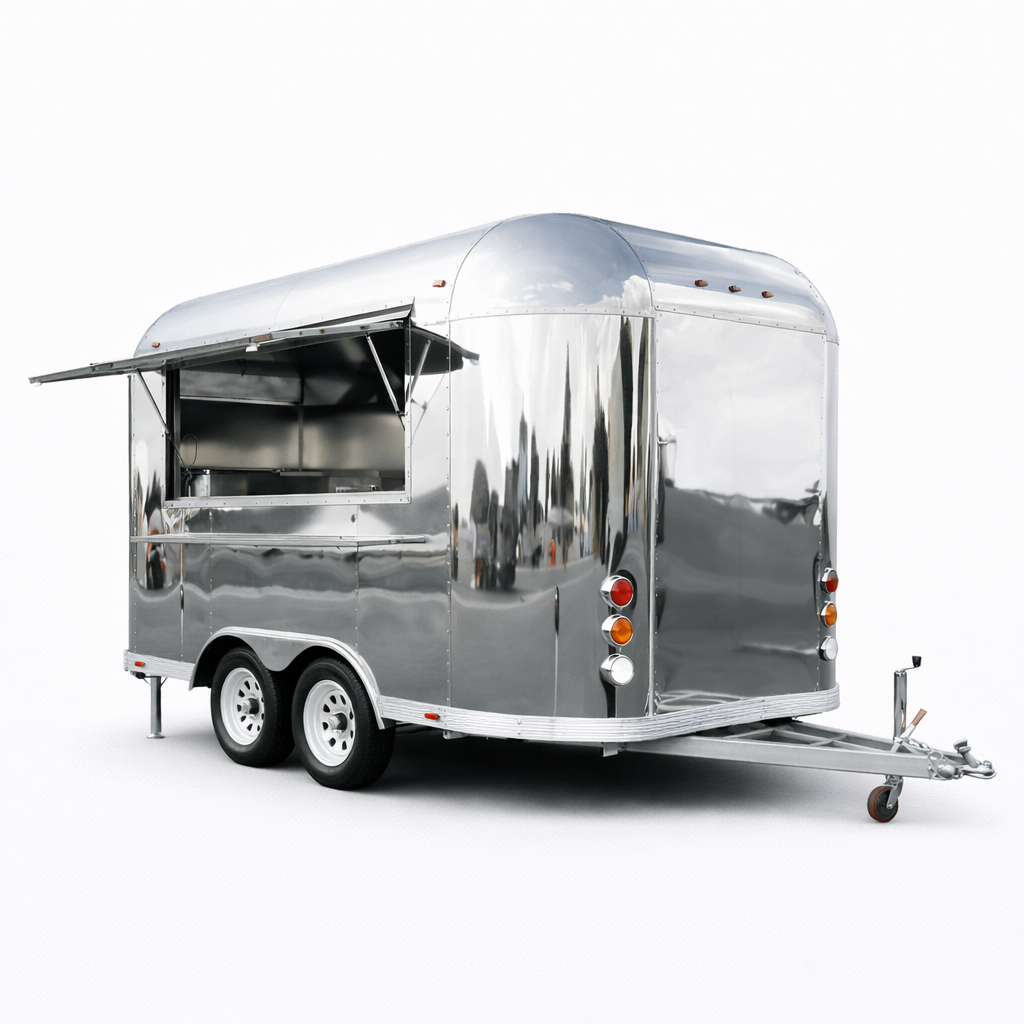
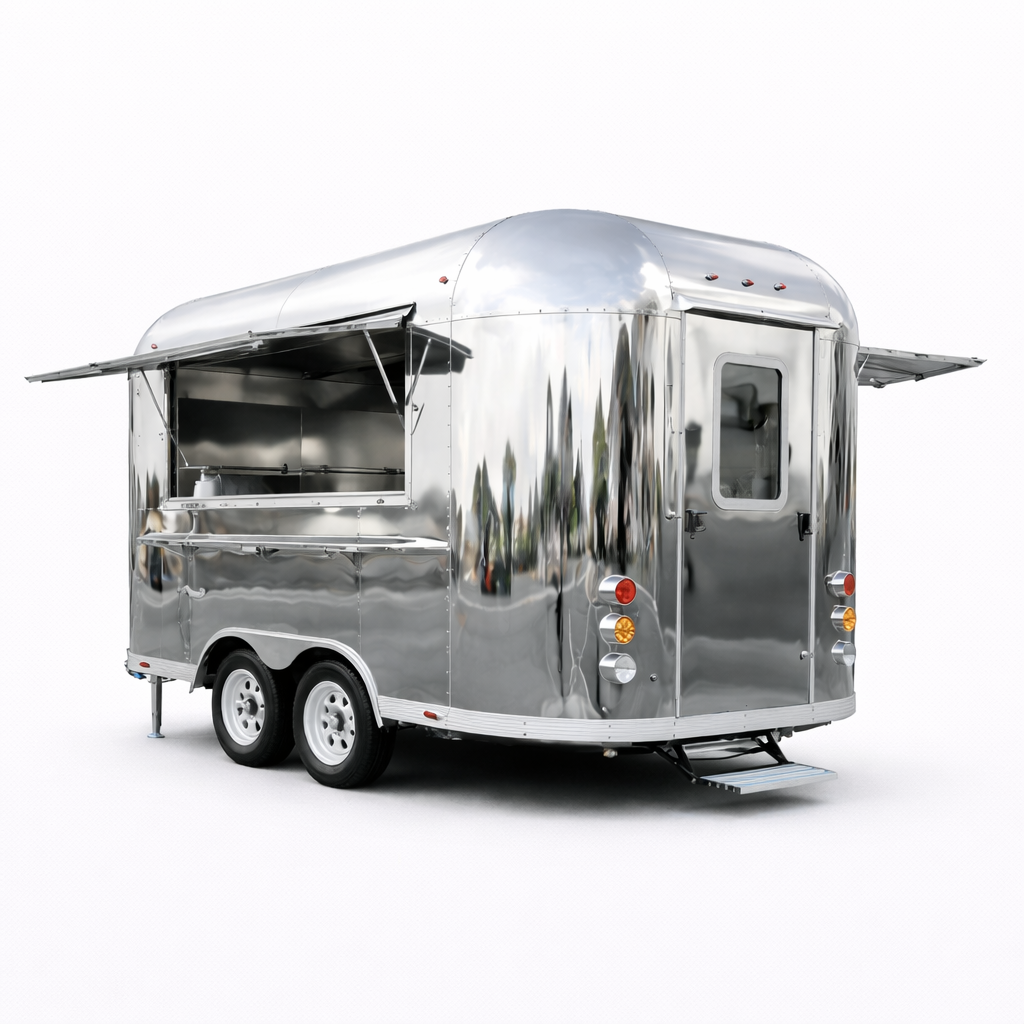
Clean & Protect: Conduct a weekly wash using pH-neutral soap and a soft microfiber mitt to avoid scratching the surface; always rinse top-down to prevent water spotting, which can dull the finish over time. For long-term protection, apply a quarterly wax or ceramic coating to resist UV rays, rain, and road grime—this is especially critical for mirror-finish metal shells, which benefit from an extra step of fine polish followed by a sealant to maintain their shine. Address spot repairs immediately: sand small chips or rust spots, apply a primer, and seal with matching paint to stop corrosion from spreading. Pro tip: Mask off power inlets, vents, and electrical connections before washing to prevent water ingress, which can lead to costly electrical issues.
2) Interior Hygiene: Daily Discipline, Monthly Deep-Clean
Maintaining a hygienic interior is not only a legal requirement but also key to building customer trust. A clean kitchen reduces the risk of foodborne illness, extends equipment life, and creates a safer workspace for your crew.
Daily (20–30 minutes before close): Wipe down all surfaces—counters, splash zones, and prep areas—with a food-safe sanitizer to eliminate bacteria and food residue. Degrease cooklines (fryers, griddles, and grills) thoroughly to prevent grease buildup, which can reduce equipment performance and pose a fire hazard. Prioritize pest control by removing all trash, sealing gaps around doors and windows, and keeping the cabin dry—moisture and food scraps attract pests that can damage equipment and contaminate food.
Monthly Deep-Clean: Schedule a thorough deep-clean to tackle hard-to-reach areas. Service the hood and duct system, including removing and cleaning filters, trays, and (if necessary) duct sections to clear grease buildup. For refrigeration units, clean condenser coils to improve efficiency and verify pull-down temps to ensure food stays at safe storage temperatures. Clear drain traps and lines to eliminate odors and prevent clogs that can lead to water damage.
3) Equipment Care: Longer Life, Higher Efficiency
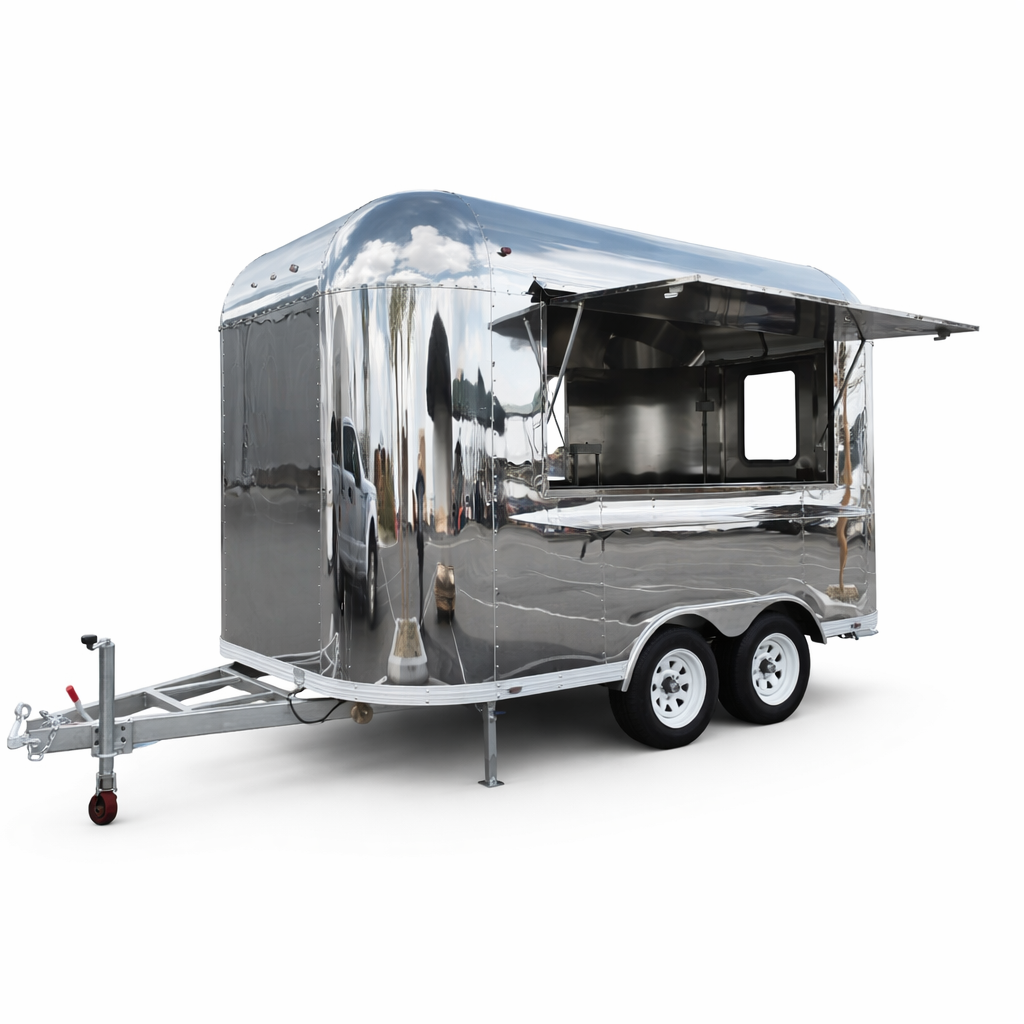
Your trailer’s equipment is the backbone of your business—regular checks and maintenance prevent costly breakdowns and keep operations running smoothly.
Checks: Conduct routine inspections of electrical systems—look for hot spots, frayed cords, or loose terminals, and test GFCI/RCD (ground fault circuit interrupter) devices to ensure they’re functioning properly, as these protect against electrical shocks. For gas systems, perform a leak test using a soap solution (bubbles indicate a leak) and verify the expiration dates of valves and hoses, as well as their anchor points to prevent disconnection. Monitor cold and hot lines to ensure even heating and stable refrigeration—fluctuating temperatures can ruin food and waste money.
Maintenance: Lubricate fans and bearings on a scheduled basis to reduce friction and extend their lifespan. Replace worn door gaskets on refrigerators and freezers—this simple fix cuts energy use by preventing cold air leakage. Keep a well-stocked spares kit (including lamps, fuses, gaskets, and fan capacitors) on hand for quick repairs, minimizing downtime during peak hours.
4) Digital Displays & Exterior Lighting
Digital displays and exterior lighting are critical for brand visibility and safety—keeping them in top condition ensures your trailer stands out and complies with road safety standards.
Displays/Menus: Clean digital screens and menu boards with a dry microfiber cloth and screen-safe cleaner; avoid alcohol-based products, which can ruin protective coatings and cause discoloration. Regularly update firmware and content to ensure menus are accurate and displays function properly—outdated or glitching screens can confuse customers and hurt your brand.
Lighting: Perform a weekly walk-around to check turn signals, stop lights, marker lamps, and license plate lights; clean lenses to remove dirt and grime that reduce brightness. Opt for LED bulbs wherever possible—they offer longer longevity, brighter illumination, and lower power draw, saving on battery life and energy costs.
5) Seasonal Care
Extreme weather can take a toll on your trailer—seasonal maintenance adapts your setup to harsh conditions and prevents weather-related damage.
Winter: Insulate or winterize water lines to prevent freezing and bursting; drain all water tanks when the trailer is idle to avoid ice damage. Store batteries in a temperature-controlled space, keeping them fully charged to prevent degradation. Use a weatherproof cover for long lay-ups to protect the exterior from snow, ice, and salt.
Summer: Prioritize cooling and airflow by cleaning condenser coils early in the season—this improves equipment efficiency and prevents overheating. Add shading (such as awnings) and boost intake airflow to keep the interior cool, reducing strain on cooling systems. Use shades on windows and vents to control UV exposure, which can heat the cabin and fade interior surfaces.
6) Annual Pro Inspection
A professional annual inspection is a worthwhile investment to catch hidden issues and ensure full compliance. Hire a qualified technician to check: chassis, suspension, and brakes (including welds, crossmembers, bearings, and brake pads) and test the breakaway function for towing safety. Inspect towing components—coupler, pin, chains, and jacks—for lubrication and structural integrity. Conduct electrical load tests, check grounding, and verify RCD/GFCI functionality, ensuring panel labeling is correct. Test gas pressure and perform leak checks, service hoods and fire suppression systems, and renew fire extinguishers. Sanitize water tanks and lines to maintain hygiene. Keep a photo-backed maintenance log—this speeds up inspections, simplifies compliance checks, and boosts residual value if you decide to sell.
7) Why Maintenance Pays
The benefits of a consistent maintenance routine extend far beyond avoiding breakdowns. Lower costs: Fewer unexpected repairs, reduced energy bills, and minimal downtime mean more revenue for your business. Longer life: Well-maintained equipment and exteriors hold their value better, extending the lifespan of your trailer. Better business: A clean, reliable trailer builds trust with customers, encouraging repeat visits, and ensures you pass health and safety checks faster—keeping your business operational and profitable.