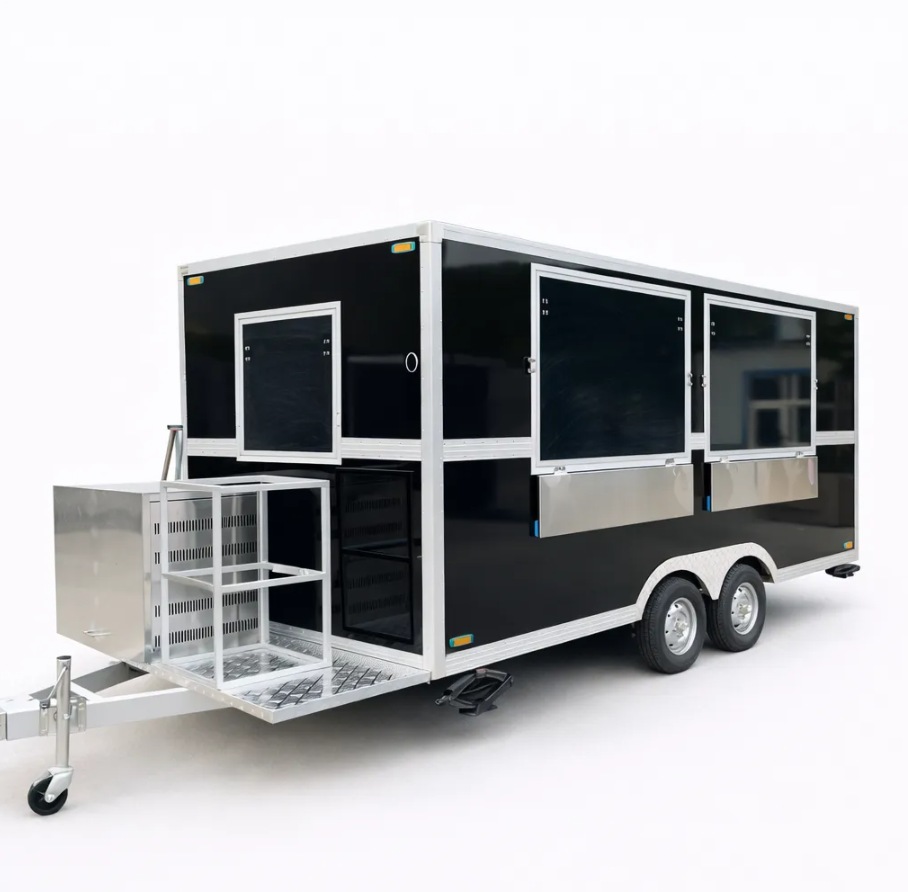
ما الذي يحدث عندما تختار حجم الشاحنة بشكل خاطئ
أبلغني بائع طعام متنقّل قابلته في معرض تجاري مرةً أنَّ أغلى خطأ ارتكبه طوال مسيرته المهنية كان شراءَ مقطورةٍ بطول عشرة أقدام لأنها بدت له لطيفة وسهلة الانتظار. وكان يقدِّم برغرًا فاخرًا باستخدام شواية كاملة، ومقلاة عميقة، ومنضدة إعداد، وثلاجة. وبمجرد تركيب جميع تلك المعدات بشكل ثابت داخل المقطورة، لم يبقَ سوى مساحة ضئيلة جدًّا تسمح له بالالتفاف فقط، ناهيك عن إمكانية إدخال شخص ثانٍ أثناء ساعات الذروة. ونتيجةً لذلك، اضطر إلى بيع ثُلثَي قائمة طعامه فقط، لأن المقلاة العميقة كانت موضوعة على طاولة قابلة للطي خارج المقطورة، ما استدعى من مفتش الصحة أن يُوجِّه ملاحظةً رسميةً بشأنها في الزيارة الثالثة. وفي ذلك الموسم، خسر عقدَ توريد غذائيٍّ قيمته ثلاثون ألف دولار أمريكي، لأن المفتش رفض التوقيع على الموافقة على الترتيب العام للمعدات.
دع قائمة طعامك وسير عملك يحدّدان مساحة الأرض بالقدم المربع
قبل النظر في أبعاد المقطورة على الإطلاق، ينبغي لصاحب المشروع أن يُدرج قائمةً بكل قطعة من المعدات التي تتطلبها قائمته. فعلى سبيل المثال، تحتاج عربة القهوة إلى خزان ماء، وآلة لإعداد الإسبريسو، ومطحنة قهوة، وثلاجة صغيرة تحت المنضدة، وقد تحتاج أيضاً إلى واجهة عرض للمعجنات. أما مقطورة الشواء الكاملة فتحتاج إلى جهاز تدخين، وطاولة بخارية، وحوض غسيل مكوّن من ثلاثة أقسام، ومحطة لغسل اليدين، وثلاجة تحضيرية، ومساحة لتخزين المواد الجافة. وتفرض لوائح الصحة في معظم المناطق حدّاً أدنى للمسافات بين المعدات، كما تشترط وجود أحواض مخصصة لغسل اليدين منفصلة تماماً عن أحواض غسل الأواني. كما تؤثر إرشادات قانون الأمريكيين ذوي الإعاقات (ADA) الخاصة بإمكانية الوصول إلى الوحدات الغذائية المتنقلة في التخطيط الداخلي للمقطورة، إذا كانت تقدّم الخدمة مباشرةً للعملاء من داخلها. ومن الطرق العملية لذلك أن تُحدّد مساحة كل جهاز على أرضية مرآب أو موقف سيارات باستخدام شريط لاصق، ثم تمرّ على هذه المساحات كأنك تؤدي طلباً افتراضياً. فإذا اضطررتَ إلى التحوّل جانبياً أو تمديد يدك فوق سطح ساخن لالتقاط رغيف خبز، فهذا يعني أن المساحة ضيّقة جداً. ويجب أن يكون تدفق العمل أحادي الاتجاه: من تخزين المواد الخام إلى التحضير، ومن التحضير إلى الطهي، ومن الطهي إلى النافذة. ويحتاج هذا التدفق الخطي إلى مساحة منضدة متواصلة، ويجب أن تسمح الأبعاد الداخلية للمقطورة بذلك.
قواعد المكان وحدود السحب التي تحدد بصمت مساحة مقطورتك
قد يظلّ وجود مقطورة تتوافق مع القائمة ممكنًا من الناحية الفنية، لكنها قد تبقى غير قابلة للاستخدام عمليًّا إذا لم يُسمح لها قانونيًّا بالوقوف في المواقع التي تحقِّق العائد المالي. فكثيرٌ من المدن وأسواق المزارعين والمرافق الخاصة التي تستضيف الفعاليات تفرض قواعد صارمة تحدّد أقصى طول وعرض مسموح بهما للمقطورات التي تقدِّم الوجبات. فقد تحدّد إحدى مواقع شاحنات الطعام الشهيرة في وسط المدينة أقصى طول مسموح به للمقطورات بستة عشر قدمًا، بينما تقيِّد بعض الأحياء التاريخية الطول الإجمالي للمركبة بما في ذلك المركبة الساحبة. كما أن إدارات الصحة غالبًا ما تفسِّر معايير التهوية المنصوص عليها في المواصفة NFPA 96 بحيث تتطلَّب وجود غطاء عادم معيَّن ونظام إطفاء حرائق خاص لمعدات الطهي التي تنتج أبخرة مشبعة بالدهون، ويجب أن يتوفر ارتفاعٌ أدنى محدَّد بين هذا الغطاء وسقف المكان. كما أن سعة السحب تشكِّل حدًّا صلبًا آخر. إذ قد تصل كتلة مقطورة وجبات كاملة الحجم بطول ستة عشر قدمًا إلى خمسة آلاف رطل أو أكثر عند تحميلها بالماء والبروبان والمخزون. وإذا كانت المركبة الساحبة عبارة عن شاحنة صغيرة سعة نصف طن، فإن هذه السعة القصوى تُ Reached بسرعة. والمقطورة المناسبة من حيث الحجم هي تلك التي توازن بين المتطلبات الداخلية للفضاء الداخلي وهذه القيود الخارجية، وبتجاهل أيٍّ من هذه القيود، تبقى المقطورة مخزَّنة دون أن تحقِّق أي عائد مالي.
الأرقام الحقيقية وراء الأبعاد والميزانية
كل قدم إضافية في طول المقطورة ترفع سعر الشراء، لكن القصة المالية لا تنتهي عند هذا الحد. فالمقطورة الأكبر تتطلب مركبة سحب أثقل، وتستهلك وقودًا أكثر، وغالبًا ما تترتب عليها رسوم أعلى للمناسبات من المواقع التي تُفرض فيها الرسوم حسب الطول الخطي. كما أن أقساط التأمين تزداد تبعًا للقيمة والحجم. ومن ناحية أخرى، فإن المقطورة الصغيرة جدًّا تحدّ من الإيرادات اليومية. وقد نشرت رابطة الباعة الجائلين المتنقِّلين استبيانات أجرتها على أعضائها تبيّن أن المشغلين الذين أفادوا بأنهم يشعرون بالازدحام في أماكن عملهم سجّلوا ما بين خمسة عشر إلى عشرين في المئة أقل من المعاملات في الساعة خلال الفترات الذروة مقارنةً بمن لديهم مساحة كافية. وعندما نضرب هذه الفجوة في عدد الساعات المزدحمة طوال الموسم النشيط، فإن الإيرادات المفقودة قد تفوق بكثير الادخار الأولي الناتج عن اختيار مقطورة أصغر. ولإجراء حساب مباشر، يمكن تقدير أكثر ساعة ازدحامًا، ثم ضرب متوسط قيمة الفاتورة بعدد المعاملات التي لا يمكنك خدمتها فعليًّا بسبب ضيق المساحة، ومقارَنة هذا العدد مع الفرق الشهري في أقساط التمويل أو الإيجار للمقطورة الأكبر حجمًا.
درسٌ تعلَّمه صاحب شاحنة طعامٍ في التخطيط للنمو
بدأ مشغّلٌ أعرفه باستخدام مقطورة صغيرة بطول اثني عشر قدمًا لتوزيع آيس كريم حرفي. وحقَّق المفهوم نجاحًا، فخلال ستة أشهر تلقّى طلبات جملة من محلات البقالة المحلية. لكن مقطورته لم تكن تحتوي على غرفة تجميد لتخزين الكميات الإضافية، كما أن المولِّد الكهربائي المركَّب عليها لم يُطق تشغيل خزانة إضافية لتقديم الآيس كريم. فحاولت التغلُّب على هذه المشكلة باستئجار مستودع مبرَّد في منطقة بعيدة عن موقعها، والقيام برحلتين يوميًّا إليه، ما شكَّل عبئًا لوجستيًّا ثقيلًا أثّر سلبًا على هوامش ربحها واستنزف عطلاتها الأسبوعية. وفي النهاية، انتقلت إلى مقطورة أطول بثمانية عشر قدمًا، مزوَّدة بمساحة مخصصة للتجميد ونافذة خدمة أكبر. وأخبرتني أنها تتمنى لو اشترت المقطورة الأكبر منذ اليوم الأول، ليس لأنها كانت بحاجة فورية إلى تلك المساحة، بل لأن المقطورة نفسها كانت ستدفعها لاكتساب الزخم اللازم للنمو. وكانت نصيحتها بسيطة: إذا أظهرت خطة العمل أي مسارٍ واقعيٍّ للتوسُّع خلال السنوات الثلاث الأولى، فعليك أن تبني هذه القدرة الاستيعابية في المقطورة منذ الآن. فاستبدال المقطورة يكلِّف أكثر بكثيرٍ من دفع ثمن بضعة أقدام إضافية مقدَّمًا.
لماذا تُحوِّل الدقة التصنيعية المقطورة إلى أصلٍ طويل الأجل
لا قيمة لأدق خطط التصميم من حيث الأبعاد، مهما كانت دقة التخطيط، إذا وصلت المقطورة بجدران غير مُرَكَّبة بدقة، أو بتقاطعات غير محكمة الإغلاق، أو بنظام كهربائي لا يتحمل حملاً ثابتاً. فمقطورة الخدمات الغذائية هي مطبخ تجاري متنقّل، وتتحدد متانتها الإنشائية بمدى قدرتها على الصمود لسنوات عديدة أمام الطرق الوعرة المليئة بالحفر، والصيف الرطب، والشتاء القارس. وكل قطعٍ، ولحمةٍ، وختمٍ له أهميته الخاصة. وهنا تبرز الخبرة المباشرة للمصنع كميزة حقيقية. فشركة مينغ تاي، وهي شركة متخصصة في تصنيع مقطورات الخدمات الغذائية والهياكل الوحدية المتكاملة، تُطبِّق هندسة دقيقة في كل عملية تصنيع. ويغطي الإنتاج الداخلي للشركة عمليات لحام الهيكل، وتصنيع التخطيط الداخلي، ودمج أنظمة السباكة والكهرباء، والتشطيب النهائي، وكل ذلك ضمن سلسلة واحدة صارمة لمراقبة الجودة. أما بالنسبة لصاحب المشروع، فإن اختيار شركة تصنيع مثل مينغ تاي يعني أن الأبعاد التي اخترتها على الورق ستُنفَّذ بدقة، وأن المواد المستخدمة ستتوافق مع معايير سلامة الأغذية، وأن المقطورة ستكون جاهزة لاجتياز فحوصات الصحة العامة وفحوصات السحب دون الحاجة إلى تعديلات. والمقطورة التي تلائم مشروعك التجاري أداة استراتيجية، وهي تستحق شريك تصنيع يعاملها بهذه الطريقة.
Table of Contents
- ما الذي يحدث عندما تختار حجم الشاحنة بشكل خاطئ
- دع قائمة طعامك وسير عملك يحدّدان مساحة الأرض بالقدم المربع
- قواعد المكان وحدود السحب التي تحدد بصمت مساحة مقطورتك
- الأرقام الحقيقية وراء الأبعاد والميزانية
- درسٌ تعلَّمه صاحب شاحنة طعامٍ في التخطيط للنمو
- لماذا تُحوِّل الدقة التصنيعية المقطورة إلى أصلٍ طويل الأجل