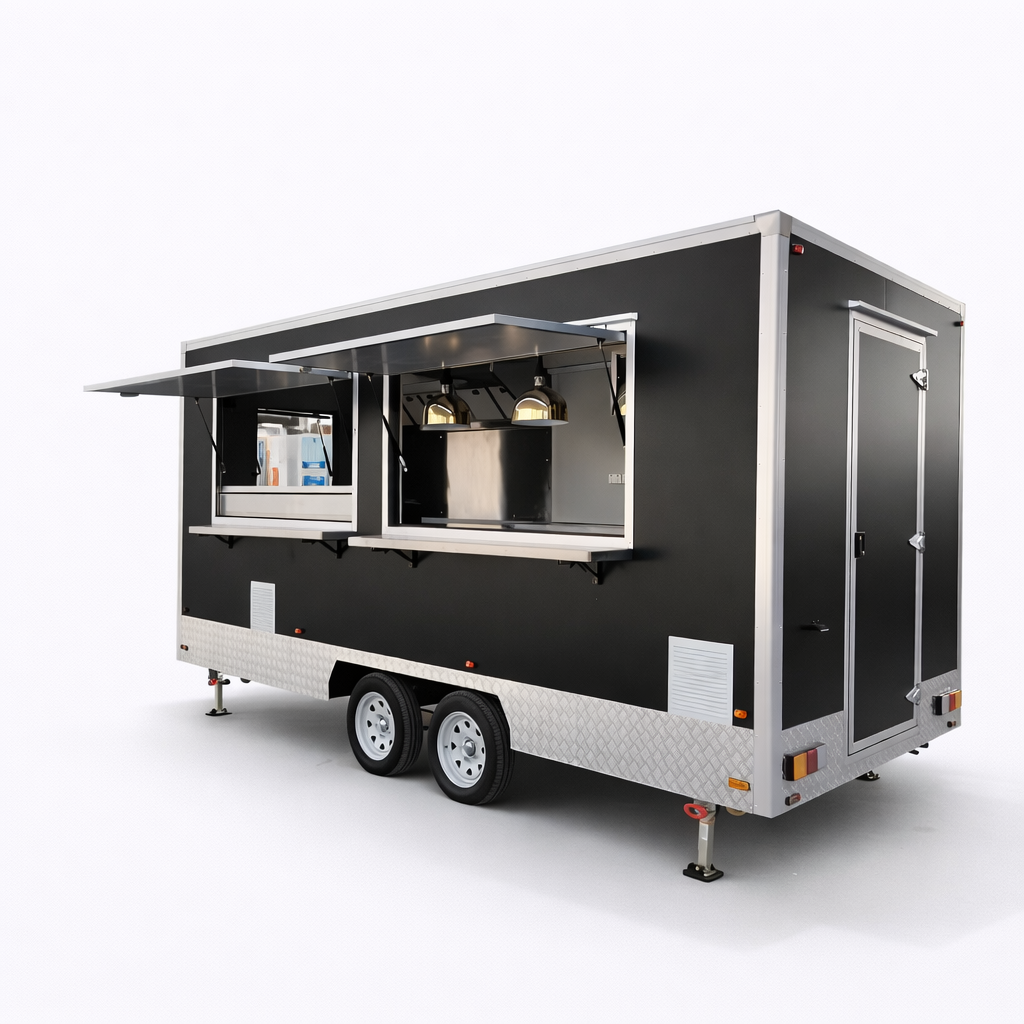
Why Stainless Steel Is the Core Material for Global Food Hygiene Compliance
A stainless steel food trailer stands out as the top choice for mobile food businesses worldwide, mainly because stainless steel matches the strict material requirements of international food hygiene rules. Unlike ordinary metal or wooden trailers that easily absorb grease, harbor bacteria, or corrode after long-term use, high-quality stainless steel has unique advantages like non-toxicity, corrosion resistance, and easy cleaning. These properties directly address the core demands of global food safety standards, from the EU’s (EC) No 1935/2004 regulation to the U.S. FDA’s food contact material rules.
With over 35 years of combined manufacturing experience, our team has worked with more than 5,000 global clients, and we’ve seen how material choice makes or breaks hygiene compliance. A European client once bought a cheap mobile trailer with non-food-grade metal surfaces; within three months, rust spots appeared, and food residues stuck to rough seams, leading to repeated failures in local health inspections. After switching to our stainless steel food trailer with 304-grade stainless interiors, the client passed inspections on the first try and reduced daily cleaning time by half. This case proves that professional stainless steel material selection is not a luxury but a basic requirement for meeting international hygiene standards.
Authoritative institutions have long recognized stainless steel’s value in food safety. The World Health Organization (WHO) and the European Food Safety Authority (EFSA) both list food-grade stainless steel as the preferred material for food contact surfaces, as it does not release harmful heavy metals like lead, cadmium, or chromium into food. Our stainless steel food trailer strictly follows these guidelines, using only NSF-certified 304 stainless steel for all food-contact areas—worktops, splash guards, sink basins, and interior walls. This ensures full compliance with international food hygiene rules and eliminates hidden hygiene risks from substandard materials.
How Our Stainless Steel Food Trailer Adheres to Key International Hygiene Standards
Meeting international food hygiene rules means complying with a complex system of standards, and our stainless steel food trailer is engineered to satisfy the strictest requirements across 200+ countries and regions. We focus on three core compliance areas: material safety, structural hygiene, and performance testing—all aligned with global benchmarks like CE, UL, NSF, WVTA, and COC certifications.
Material safety is the foundation of hygiene compliance. Our stainless steel food trailer uses 304-grade stainless steel, which meets GB 4806.9-2016, EU EN 10088, and U.S. FDA 21 CFR 177.2600 standards. This material undergoes strict heavy metal migration tests—lead ≤0.01 mg/kg, chromium ≤0.4 mg/kg, nickel ≤0.1 mg/kg—to ensure no harmful substances transfer to food. Unlike ordinary trailers that use painted or coated surfaces, our stainless steel food trailer has seamless, non-porous surfaces that prevent bacteria from penetrating, fully complying with EU food contact material (FCM) regulations.
Structural hygiene design eliminates hidden contamination risks. International food hygiene rules require food contact areas to have smooth surfaces, sealed edges, and no dead corners for dirt accumulation. Our stainless steel food trailer features fully welded, polished seams with rounded corners (R-angle ≥5mm) and coved edges, removing gaps where food debris or bacteria could hide. The anti-slip steel flooring is also made of food-grade stainless steel, with a smooth, washable surface that meets HACCP hygiene standards. Every structural detail is optimized for easy cleaning and maximum hygiene, aligning with global mobile food unit regulations.
Performance testing ensures consistent compliance. Before delivery, each stainless steel food trailer undergoes 26 pre-delivery tests, including water system leak checks, material safety inspections, and microbial surface tests. These tests verify that the trailer meets all local health department requirements—from waterproofing to ventilation efficiency. We also provide complete compliance documentation, including QC test reports and material safety data sheets, to help clients pass inspections smoothly in any country.
Real-World Impact of Hygiene-Compliant Stainless Steel Trailers on Food Safety
A stainless steel food trailer that meets international food hygiene rules directly reduces foodborne illness risks and protects consumer health—an outcome supported by both real client cases and authoritative data. The U.S. Centers for Disease Control and Prevention (CDC) reports that mobile food units with non-compliant materials are 3 times more likely to cause cross-contamination and foodborne outbreaks. In contrast, our stainless steel food trailer’s hygienic design minimizes these risks, as proven by feedback from thousands of global operators.
A North American restaurant owner who expanded with our stainless steel food trailer shared a typical success story. The trailer’s NSF-certified stainless interior and seamless design made daily sanitization simple: staff could clean all food contact surfaces in 15 minutes using standard food-safe cleaners, meeting local health department requirements. Within six months, the owner built a loyal customer base who praised the trailer’s cleanliness and food safety. This aligns with WHO’s recommendation that easy-to-clean, non-porous surfaces are critical for preventing bacterial growth in mobile food settings.
Another example comes from a Middle Eastern fleet operator who ordered 12 stainless steel food trailer units. All trailers passed local health inspections without delays, thanks to their compliance with regional food hygiene rules and international standards like CE and NSF. The operator noted that the stainless steel surfaces resisted corrosion even in high-temperature, humid environments, maintaining hygiene standards for years without costly renovations. This durability is key for long-term food safety, as worn or damaged surfaces in non-compliant trailers can harbor bacteria like Salmonella and E. coli.
Expert opinions reinforce the link between stainless steel and food safety. Food safety specialists from the European Food Safety Authority emphasize that food-grade stainless steel is the only material that balances corrosion resistance, non-toxicity, and cleanability for mobile food units. Our stainless steel food trailer embodies this expertise, with every design choice focused on maintaining the highest hygiene standards—protecting both consumers and businesses from safety risks.
Long-Term Hygiene Durability: Stainless Steel’s Advantage for Sustained Compliance
International food hygiene rules demand not just initial compliance but sustained performance over years of use—and a stainless steel food trailer excels here, outperforming trailers made from other materials. Ordinary metal trailers rust, wooden surfaces warp, and coated materials peel over time, creating hygiene hazards that violate standards. Our stainless steel food trailer, by contrast, is engineered for a 20-year lifespan, with hygiene integrity maintained through decades of heavy use.
The material’s natural corrosion resistance is key to long-term compliance. Our stainless steel food trailer uses 304-grade stainless steel, which resists rust, stains, and chemical damage from food acids, cleaning agents, and outdoor exposure. Unlike carbon steel that requires frequent repainting or aluminum that scratches easily, stainless steel maintains its smooth, non-porous surface for years. This eliminates the need for costly material replacements or repairs that could disrupt hygiene compliance—critical for businesses operating in multiple regions with strict inspection cycles.
Structural durability complements material performance. Our stainless steel food trailer features a welded ladder frame with anti-corrosion treatment (optional hot-dip galvanizing) and reinforced joints. This robust construction prevents warping or cracking over time, ensuring seams and edges remain sealed against dirt and bacteria. The marine-grade stainless steel flooring also withstands heavy foot traffic and frequent washdowns, maintaining its anti-slip, hygienic surface for years. Every component is built to resist wear, ensuring the trailer meets international food hygiene rules year after year.
Client experiences confirm this long-term value. A European street food vendor has used one of our stainless steel food trailer for 5 years, operating in rain, snow, and high heat. The vendor reports the trailer still looks and performs like new: no rust, no seam gaps, and easy daily cleaning. It has passed annual health inspections every time, with inspectors praising its consistent hygiene standards. This longevity saves businesses money on replacements and repairs while ensuring uninterrupted compliance—something non-stainless steel trailers simply cannot match.
Global Business Benefits of Owning a Hygiene-Compliant Stainless Steel Food Trailer
A stainless steel food trailer that meets international food hygiene rules is not just a safety asset—it’s a powerful driver of global business growth. Compliance with global standards opens doors to multiple markets, builds customer trust, and reduces operational risks—key advantages for entrepreneurs looking to scale their mobile food businesses.
First, global compliance enables cross-border operation. Our stainless steel food trailer is certified for road use and food safety in 200+ countries, with CE, DOT, UL, NSF, WVTA, and COC certifications. This means clients can operate in North America, Europe, Australia, Asia, and beyond without reconfiguring or re-certifying their trailers. A Southeast Asian client, for example, used one trailer to cater events in Singapore, Malaysia, and Thailand—all while meeting each country’s unique food hygiene rules. This flexibility maximizes revenue opportunities and supports rapid business expansion.
Second, hygiene compliance builds brand trust and customer loyalty. Today’s consumers prioritize food safety, and a stainless steel food trailer’s clean, professional appearance signals commitment to hygiene. A Latin American food entrepreneur who uses our trailer shared that customers often comment on how “clean and safe” the trailer feels, leading to repeat business and positive word-of-mouth. In a competitive market, this trust translates directly to higher sales and a stronger brand reputation.
Third, compliance reduces operational risks and costs. Non-compliant trailers face fines, license revocation, or temporary closure—setbacks that can sink small businesses. Our stainless steel food trailer eliminates these risks by meeting all international food hygiene rules from day one. It also reduces long-term costs: stainless steel’s durability minimizes repairs and replacements, while its easy-to-clean design cuts daily labor time. With a 12-month warranty and 24–48 hour remote support, clients can maintain compliance effortlessly as their business grows.
In the competitive global mobile food industry, a stainless steel food trailer that meets international food hygiene rules is more than a cooking space—it’s a strategic investment in safety, compliance, and growth. Our expertise in manufacturing, combined with high-quality stainless steel materials and rigorous testing, ensures every trailer delivers unmatched hygiene performance and business value for years to come.
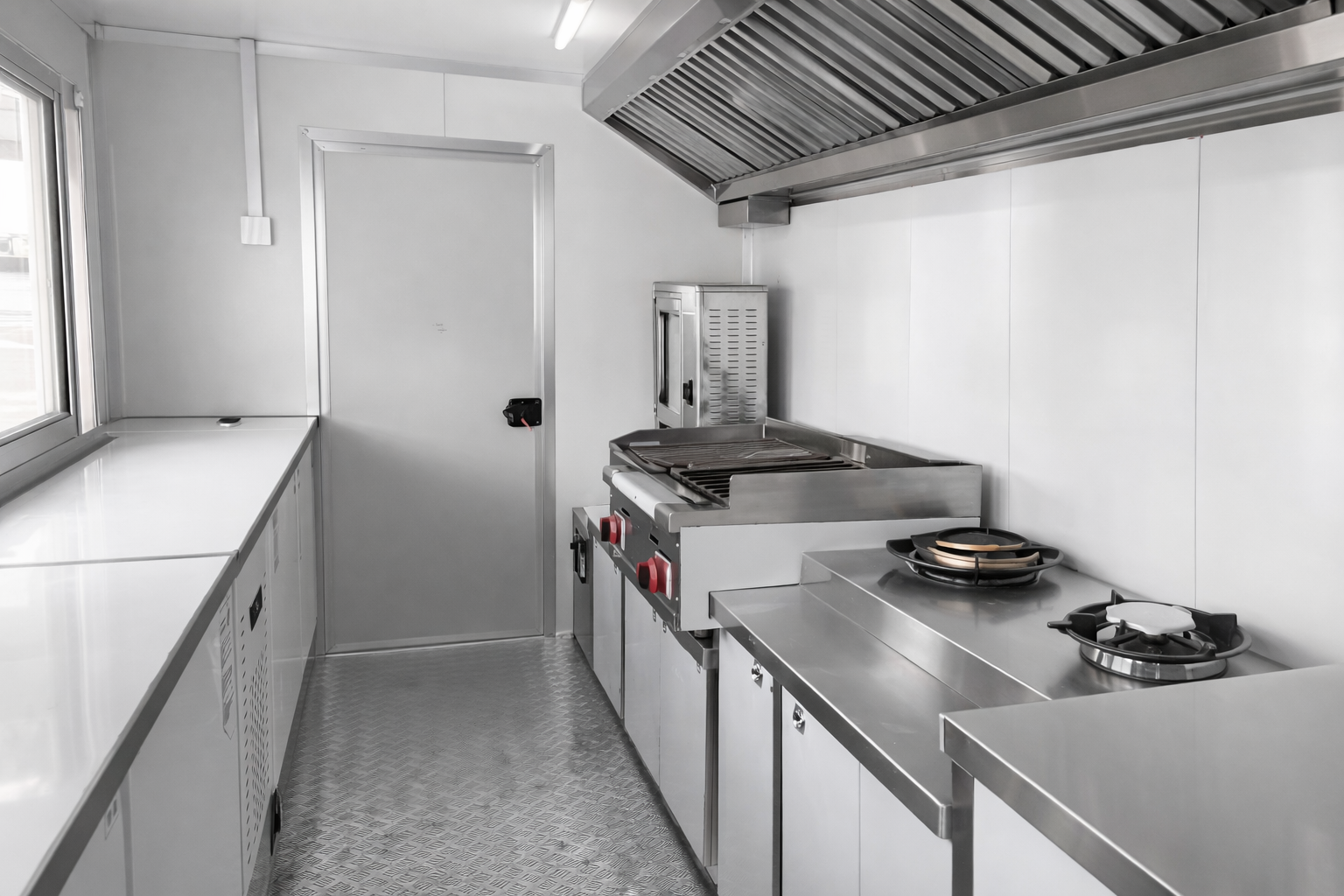
Table of Contents
- Why Stainless Steel Is the Core Material for Global Food Hygiene Compliance
- How Our Stainless Steel Food Trailer Adheres to Key International Hygiene Standards
- Real-World Impact of Hygiene-Compliant Stainless Steel Trailers on Food Safety
- Long-Term Hygiene Durability: Stainless Steel’s Advantage for Sustained Compliance
- Global Business Benefits of Owning a Hygiene-Compliant Stainless Steel Food Trailer