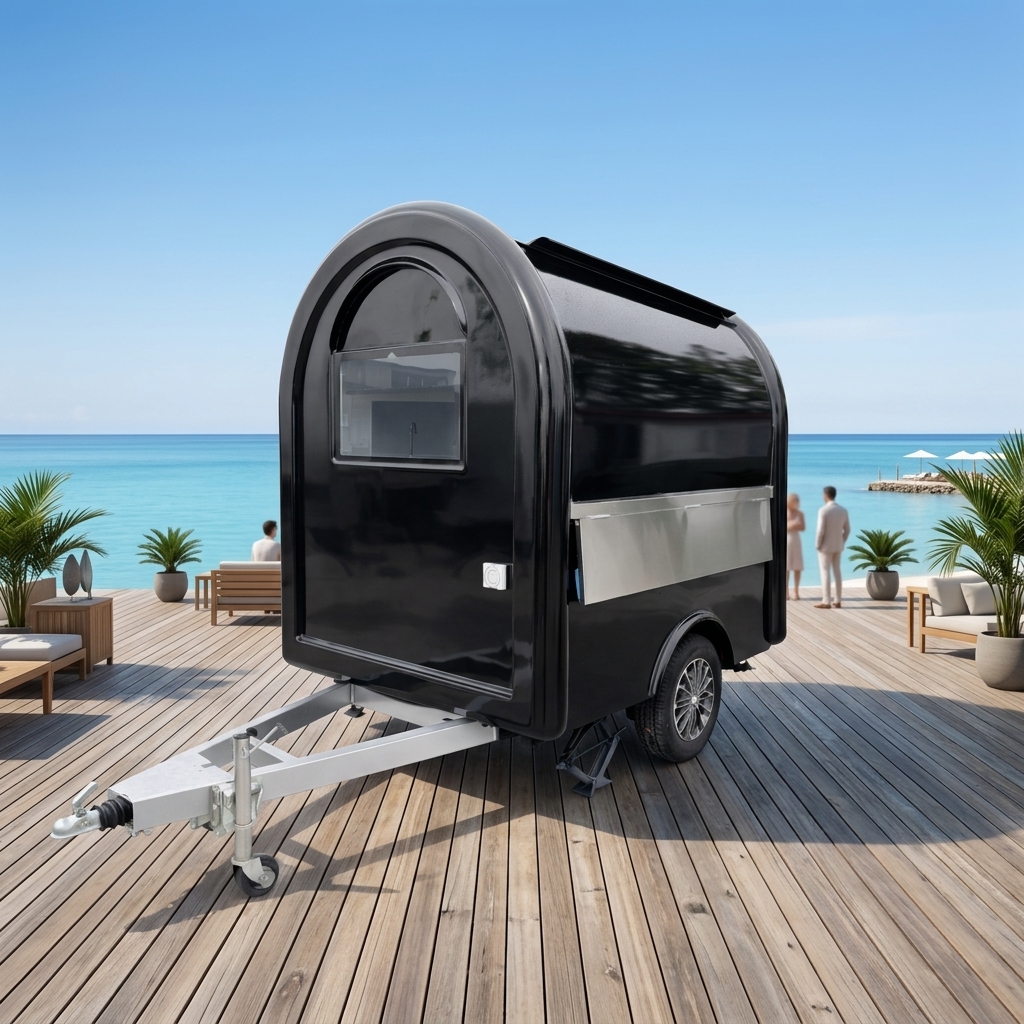
The Unique Hygiene Challenges of Mobile Kitchen Spaces
A food trailer with full kitchen runs in a far more changeable operating environment than traditional fixed‑location restaurants, and its mobility brings special hygiene risks that require strict standards to follow. Unlike stationary kitchens, these trailers move between different business sites, from busy urban streets to open‑air event venues, exposing internal working areas to varying dust levels, dampness and external pollutants. With years of real‑world experience working with food business owners worldwide, we have seen how small hygiene oversights in mobile cooking units can quickly turn into serious safety issues. One long‑term customer once told us their ordinary mobile food unit grew hidden mold inside just one month after outdoor use because of poor sealing and incomplete drainage systems, which forced them to suspend business and lose considerable income.
The compact internal layout of a food trailer with full kitchen further raises hygiene risks. Every area serves multiple functions at once, making cross‑contamination between raw ingredients, finished meals and cleaning supplies highly likely without clear sanitation rules. The World Health Organization has repeatedly pointed out that mobile food service areas must maintain equal or even higher hygiene levels than regular restaurants, as they face more external pollution sources. Drawing on our decades‑long professional experience in manufacturing mobile food equipment, we firmly believe basic hygiene rules cannot be ignored in this industry. Cutting corners on material quality and structural design will directly threaten food safety. That is why our food trailer with full kitchen is built with hygiene performance as a core design principle rather than an optional extra feature.
Regulatory Compliance and Global Sanitation Requirements
Running a food trailer with full kitchen means following complicated international, national and local hygiene regulations, and non‑compliance will lead to severe penalties such as heavy fines, revoked business permits and permanent shutdowns. All our mobile food trailers pass strict certifications including CE, DOT, UL, NSF and COC, fully matching the sanitation and safety requirements of more than 200 countries and regions around the world. Authoritative institutions such as the U.S. Food and Drug Administration and the European Food Safety Authority clearly state that mobile food vehicles must meet the same standards as commercial kitchens in terms of food‑grade materials, waste disposal and pest prevention.
We deeply understand the importance of regulatory compliance from practical customer cases. A European client once purchased a common mobile food trailer that used non‑approved interior materials, and it failed local health inspections right away. The client had to replace all inner panels and cooking surfaces, delaying business opening for two months and doubling early‑stage investment costs. This real‑life case pushes us to produce every food trailer with full kitchen to exceed mainstream global hygiene standards. Before delivery, each unit goes through comprehensive pre‑delivery inspections covering water pipeline leak tests, food‑grade material checks and ventilation performance evaluations. This strict quality control protects our clients from unnecessary business losses caused by non‑compliance issues.
Protecting Consumer Health and Building Long‑Term Brand Trust
Strict hygiene standards for a food trailer with full kitchen mainly aim to protect customers from food‑borne illnesses caused by bacteria like Salmonella and E. coli or cross‑contamination from unclean surfaces. According to official data released by the Centers for Disease Control and Prevention, mobile food service businesses are three times more likely to trigger food‑borne disease outbreaks if sanitation management is loose. For small‑scale food entrepreneurs, one single safety incident can destroy years of accumulated customer trust, as negative online reviews spread quickly on social platforms and damage business reputation permanently.
We have cooperated with thousands of global food trailer operators, and many successful clients mention that reliable hygiene conditions become their biggest competitive edge. A North American catering business owner expanded their service range with our food trailer with full kitchen. Thanks to NSF‑certified 304 stainless steel interiors and anti‑slip flooring, daily cleaning and sanitizing work becomes simple and efficient. They passed local health inspections at the first attempt and built a stable group of loyal customers who highly recognized the clean working environment of the trailer. Our design always focuses on practical hygiene performance: our food trailer with full kitchen adopts only easy‑to‑clean food‑grade materials with seamless sealed edges, removing hidden gaps where bacteria gather and making regular sanitation work smooth and effortless.
Hygiene‑Focused Design for Long‑Term Durability and Stable Performance
Strict hygiene rules are not only for food safety, but also directly decide the service life and working stability of a food trailer with full kitchen, which counts as a key investment for most small business owners. Poor sanitation habits speed up equipment aging: dampness from insufficient ventilation causes rust on metal frames, while leftover food residues corrode unprotected surfaces, bringing frequent repair costs and early scrapping risks. Our food trailers are designed for long‑term use, and hygiene‑oriented details lay the foundation for such long service life.
Material selection and structural construction fully reflect our sanitation‑first philosophy. Every food trailer with full kitchen is equipped with anti‑corrosion welded frames with optional hot‑dip galvanizing treatment, as well as marine‑grade anti‑slip floor panels. These high‑quality materials resist dampness, corrosion and stains effectively even after years of heavy‑duty use. We also install practical waste disposal systems and pre‑set fire‑suppression facilities inside each unit, which not only satisfy hygiene standards but also prevent equipment damage from liquid spills and small fire risks. Unlike ordinary mobile trailers that need regular renovations to keep compliant, our food trailer with full kitchen maintains stable sanitation performance for decades and effectively reduces long‑term operation costs.
Supporting Business Sustainability and Scalable Development
For food entrepreneurs, a food trailer with full kitchen is more than a mobile cooking space — it is a core carrier for business expansion and profit growth, and strict hygiene standards act as the fundamental guarantee for long‑term business sustainability. Sanitation‑compliant trailers pass health inspections smoothly, allowing owners to operate at multiple locations and large‑scale events to maximize income potential. On the contrary, trailers with unstable hygiene performance will be refused by most commercial venues and public events, missing high‑traffic profit opportunities.
Our practical cooperation experience with global clients proves the value of standardized hygiene management. A fleet operator from the Middle East ordered multiple food trailer with full kitchen units all manufactured under our strict hygiene specifications. Consistent product quality and complete compliance documents helped them expand business to over ten service sites within one year, with every trailer passing local inspections without delays. We provide one‑stop supporting services including free customized 3D design matching local sanitation rules and detailed operation maintenance guides. Each food trailer with full kitchen we deliver comes with a long‑term warranty and fast remote after‑sales support, helping clients maintain high‑standard sanitation management during business expansion. In the competitive mobile food industry, reliable hygiene performance is never just a basic requirement, but a strategic advantage supporting continuous business growth.
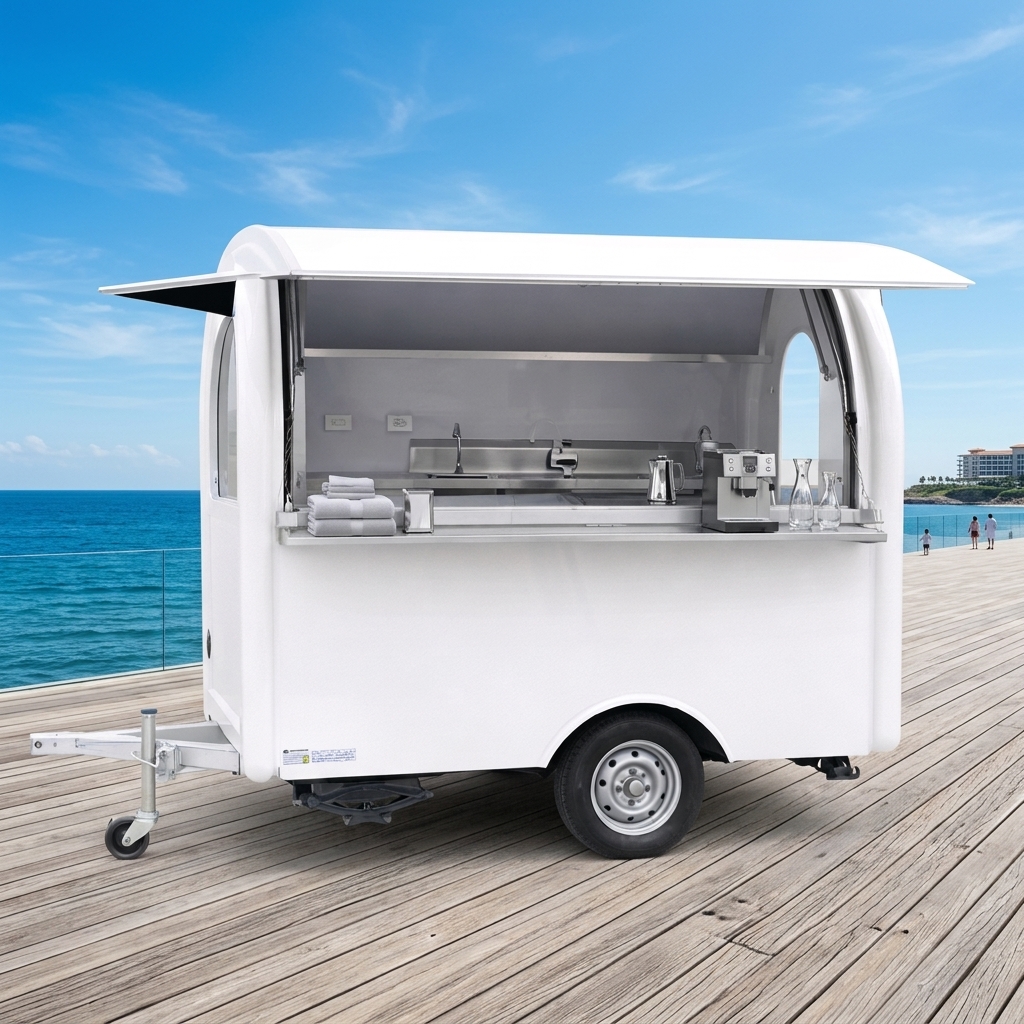
Table of Contents
- The Unique Hygiene Challenges of Mobile Kitchen Spaces
- Regulatory Compliance and Global Sanitation Requirements
- Protecting Consumer Health and Building Long‑Term Brand Trust
- Hygiene‑Focused Design for Long‑Term Durability and Stable Performance
- Supporting Business Sustainability and Scalable Development