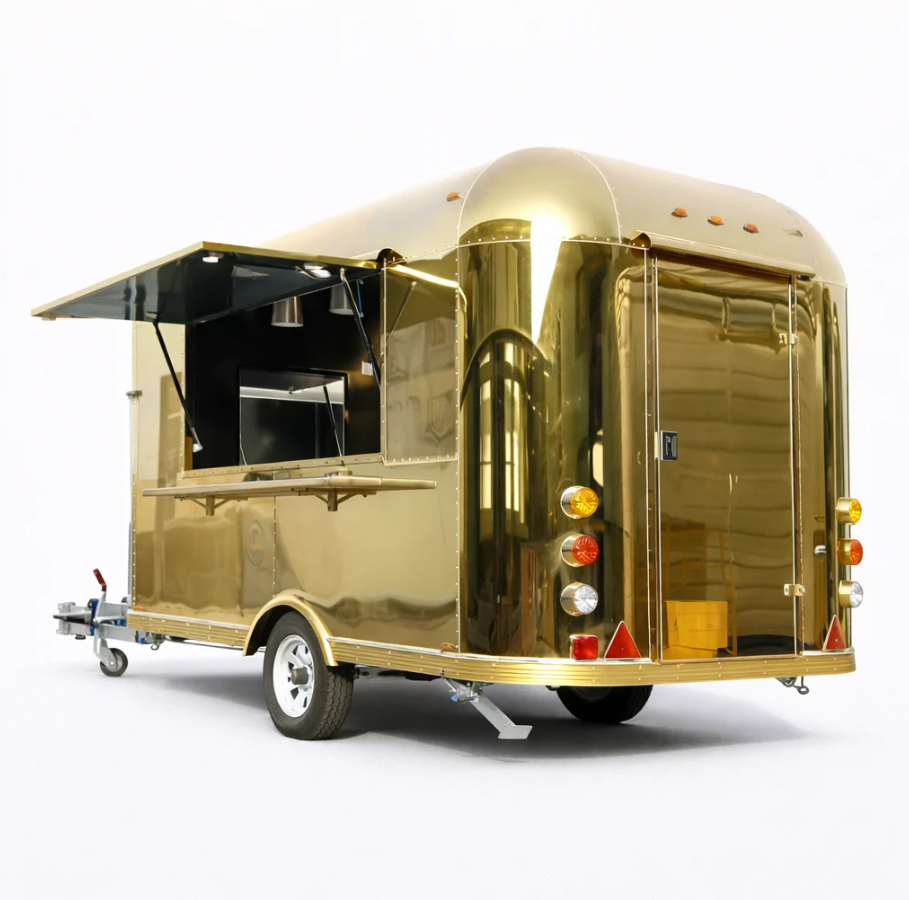
Eliminating Chemical Leaching Across High-Heat Mobile Kitchen Zones
Operating a commercial kitchen inside a compact, towable enclosure subjects interior surfaces to extreme thermal swings and concentrated grease vapors that brick-and-mortar restaurants rarely experience. When health inspectors evaluate concession trailers for municipal permits, material safety goes far beyond wiping down shiny metal counters; it comes down to preventing chemical migration and microbial harborage at the molecular level. Inside a sun-baked vehicle where flat-top griddles, deep fryers, and espresso boilers run side by side, ambient cabin temperatures routinely climb past forty degrees Celsius. If an upfitter lines the walls with architectural-grade polyvinyl chloride panels or seals countertop joints with standard hardware-store acetic silicone, high heat triggers volatile organic compound outgassing and plasticizer leaching directly onto exposed dough, cut produce, and food packaging. Specifying substrates verified under NSF/ANSI Standard 51 for food equipment materials eliminates this toxicity risk. Food-grade 304 austenitic stainless steel across prep decks, paired with seamless fiberglass-reinforced plastic or anodized aluminum ceiling liners, stays chemically inert under intense radiant heat and resists breakdown when scrubbed nightly with alkaline degreasers.
Potable Water Plumbing, Silicone Seals, and Slip-Resistant Flooring
Contamination inside a mobile food unit frequently hides out of sight inside under-counter plumbing lines and floor seams. Because freshwater tanks sit beneath the worktable or over the axle, water stays stagnant for hours while the vehicle sits parked in warm festival lots. Maintaining biological and chemical purity from the freshwater inlet to the serving window depends on locking down three interior material specifications:
-
Cross-linked polyethylene and braided food-grade tubing under NSF/ANSI 61 rules: Replacing standard garden hoses or industrial PVC pipes with potable-water-rated PEX tubing and lead-free brass fittings stops plastic taste transfer and prevents biofilm slime from colonizing pipe walls.
-
Platinum-cured elastomers and FDA 21 CFR 177.2600 neutral sealants: Every sink perimeter joint, serving-hatch weatherstrip, and cold-table gasket must utilize non-toxic, mildew-resistant food-grade silicone that will not crack, turn black, or shed rubber crumbs into open ingredient bins.
-
Non-porous marine-grade aluminum tread plate or seamless epoxy flooring: Installing welded diamond-plate aluminum or commercial sheet vinyl with coved perimeter curbing stops spilled cooking oil and raw meat drippings from seeping into wooden subfloors where bacteria multiply.
Material Safety Comparison Across Mobile Interior Subsystems
Auditing every interior surface against food-safety benchmarks prevents both failed health department walk-throughs and spoiled beverage batches.
| Interior Subsystem | Food-Grade Compliant Specification | Non-Compliant Budget Substitute | Direct Health & Operational Risk of Substitute |
|---|---|---|---|
| Food Prep & Sink Counters | 304 Austenitic Stainless Steel (NSF/ANSI 51) | 201 High-Manganese Steel or Laminated Wood | Chloride rust pitting, delaminated glue, bacterial traps |
| Freshwater Tanks & Plumbing | Rotomolded Food-Grade LLDPE + NSF 61 PEX | Industrial PVC Pipe + Braided Vinyl Hose | Plasticizer odor in coffee/ice, toxic lead or phthalate leaching |
| Seam Caulking & Hatch Gaskets | FDA 21 CFR 177.2600 Neutral Food Silicone | General Construction Acetic Caulk | Mold growth along sink rims, vinegar smell, peeling beads |
| Wall & Ceiling Cladding | Smooth 304 Stainless or Food-Safe FRP | Corrugated Painted Tin or Raw Plywood | Grease absorption, flaking paint falling into open fryers |
| Kitchen Walkways & Floors | Welded Aluminum Checker Plate + Drain | Unsealed OSB Wood + Interlocking Garage Tiles | Trapped rot and sour milk odors beneath loose floor tiles |
The engineering comparison above highlights a critical inspection reality: health officers routinely check the printed specification markings along under-sink water lines and inspect caulked corners with a probe blade before granting an operating decal.
Field Lessons from a Phoenix Cold-Brew Coffee and Gelato Trailer Retrofit
Cutting corners on hidden plumbing plastics and wall adhesives can ruin an entire inventory of artisanal beverages before the morning rush even begins. During a summer festival launch in Phoenix, Arizona, an entrepreneur operating a mobile cold-brew coffee and artisanal gelato trailer faced sudden customer complaints about a bitter, chemical medicinal aftertaste in both the iced espresso drinks and the fruit sorbets. Two days later, a county environmental health officer suspended the unit's permit during a routine spot check. A technical teardown uncovered three severe material violations left behind by a low-bid builder. First, the fifty-gallon under-bench freshwater tank had been welded from recycled industrial polypropylene sheet rather than virgin food-grade polyethylene, and the builder had plumbed the espresso machine using clear hardware-store vinyl tubing that softened in the desert heat and leached plasticizers into the warm water supply. Second, the wall panels behind the gelato dipping cabinet were bonded with high-solvent construction mastic that off-gassed styrene fumes whenever the compressor ran hot. Third, raw plywood edges inside the sink base had wicked up spilled milk and turned moldy. Rebuilding the interior with an experienced commercial trailer manufacturer resolved every issue. The retrofit installed a seamless rotomolded food-grade LLDPE freshwater tank, NSF-61 certified PEX water lines, fully TIG-welded 304 stainless steel cabinetry, and FDA-compliant silicone perimeter seals. Water taste tests cleared immediately, and the operator passed the county re-inspection without a single demerit.
Operational Sanitation Boundaries and Sourcing Turnkey Mobile Units
Even the highest-grade interior materials require disciplined sanitation protocols to stay safe. Food-grade PEX lines and polyethylene tanks still need periodic flushing with diluted food-safe sanitizing solutions to prevent mineral scaling in hard-water regions. Similarly, while non-slip aluminum diamond plate floors block liquid penetration, operators must install recessed floor drains and grease traps so washdown water flows cleanly into oversized greywater holding tanks rather than pooling around refrigeration compressors.
For food entrepreneurs, beverage franchises, and retail brands seeking certified material integrity across concession trailers, mobile retail shops, camper builds, and turnkey commercial complexes, Mingtai operates a 70,961-square-meter modern manufacturing facility staffed by over two hundred professionals. Supported by engineering and design leaders with more than thirty-five years of industry experience across two hundred customizable models, the factory integrates verified food-grade stainless steel, compliant plumbing, and hygienic structural finishes to help global operators pass local health inspections effortlessly.
Table of Contents
- Eliminating Chemical Leaching Across High-Heat Mobile Kitchen Zones
- Potable Water Plumbing, Silicone Seals, and Slip-Resistant Flooring
- Material Safety Comparison Across Mobile Interior Subsystems
- Field Lessons from a Phoenix Cold-Brew Coffee and Gelato Trailer Retrofit
- Operational Sanitation Boundaries and Sourcing Turnkey Mobile Units